GenAISA Partners Meet in Kaunas to Prepare for Pilot Implementation
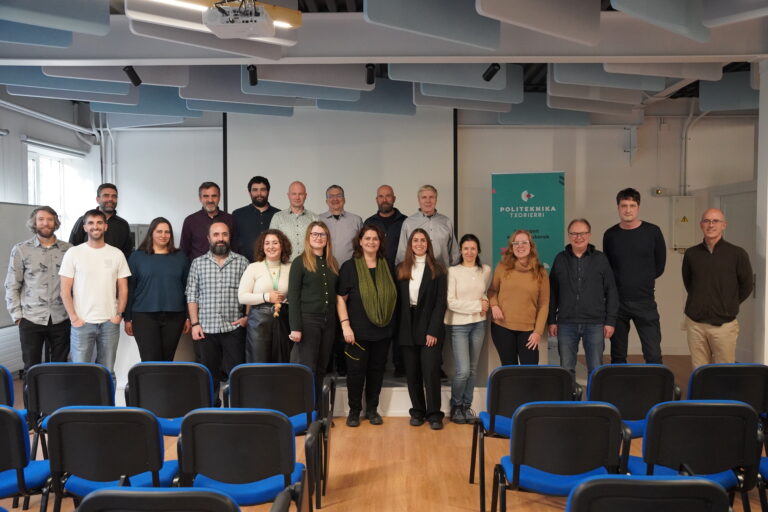
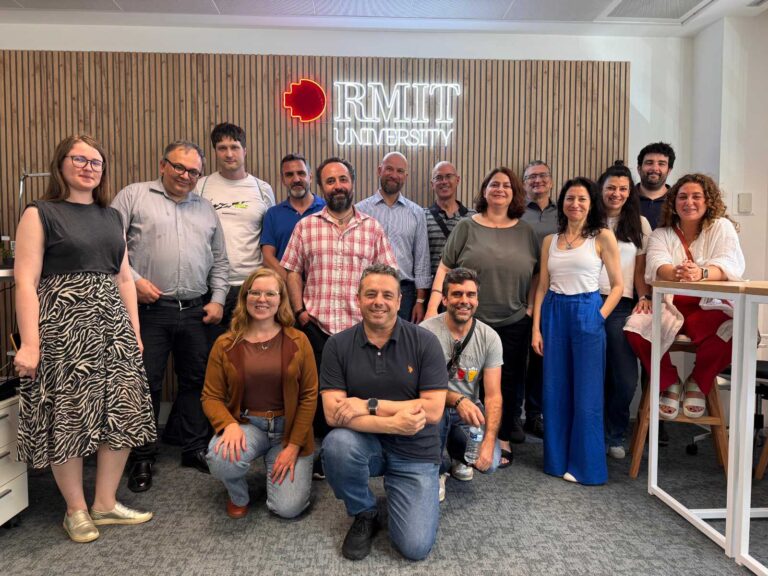
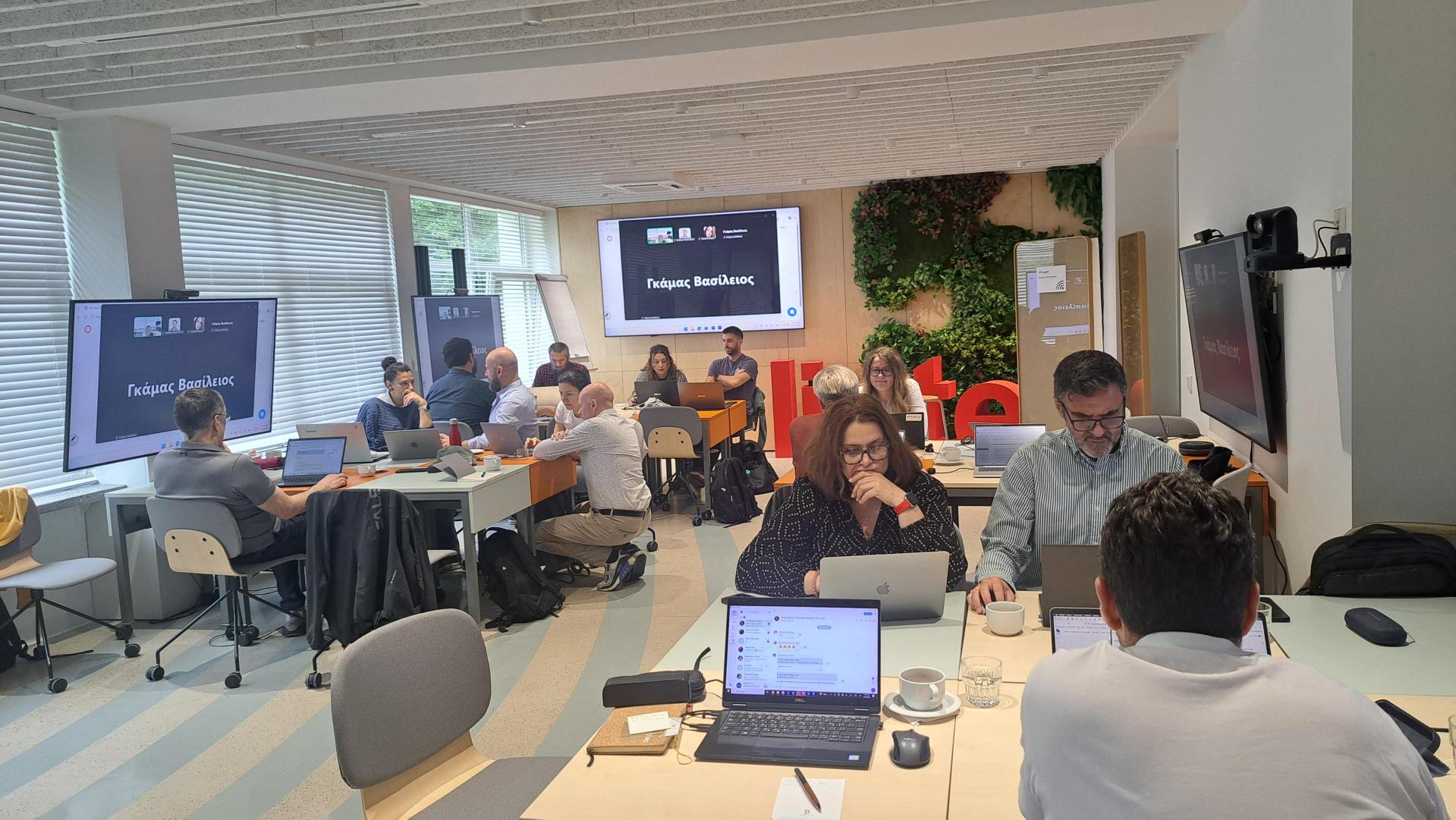
On 16–17 June 2026, the GenAISA consortium gathered in Kaunas, Lithuania, for the project’s fourth transnational meeting, hosted by Kaunas University of Technology (KTU). Representatives from the project partners came together to review the progress achieved across the project’s work packages and to coordinate the final preparations before the large-scale pilot implementation of the GenAISA learning ecosystem.
The two-day meeting marked an important transition for the project, shifting the focus from the development of educational content and digital tools towards testing, quality assurance, and real-world implementation.
Finalising the GenAISA Online Courses
The first day opened with discussions on the completion of the GenAISA online courses hosted on the project’s MOOC platform.
Partners reviewed the final technical aspects of the ten online courses, including content delivery, interactive learning activities, micro-assessments, and the configuration of micro-credentials. Consortium members tested the courses from a learner’s perspective, evaluating navigation, learning flow, instructions, and overall user experience before providing detailed feedback to the course developers.
Several improvements were agreed upon, including clearer information regarding the requirements for earning micro-credentials and a redesigned, more visual presentation of the available learning tracks, ensuring an intuitive learning experience for future participants.
Virtual World Demonstration
A major highlight of the meeting was the live demonstration of the GenAISA Virtual World, presented by experts from the University of Patras.
Partners explored both the administrative platform, where trainers can create learning sessions, manage participants, and organise educational materials, and the immersive 3D environment where learners participate using personalised avatars. The Virtual World enables trainers to guide participants through interactive learning activities while encouraging collaboration and engagement in a shared digital environment.
The consortium agreed that both trainers and learners will be able to self-register and access the platform independently, while a comprehensive user guide will be developed to support future users.
Preparing Trainers for the Pilot Phase
The meeting also introduced the newly developed Teacher Handbook, designed as a common reference document for educators delivering the GenAISA courses.
The handbook provides practical guidance on implementing the project methodology, using the MOOC platform, Virtual World and Digital Skills Passport, supporting learners, managing assessments, and ensuring consistent delivery across all participating countries.
This session was complemented by a dedicated Train-the-Trainers workshop, where partners reviewed the objectives of the upcoming pilot phase, trainer responsibilities, learner support mechanisms, and the overall implementation timeline.
Special attention was given to learner engagement, continuous feedback collection, and the use of discussion forums and optional online Q&A sessions to enhance the learning experience throughout the pilot implementation. The consortium also agreed on a common feedback strategy, combining short module surveys, end-of-course evaluations, and focus groups to support continuous improvement of the learning materials.
Preparing for the Next Project Phase
The second day focused on project coordination, quality assurance, dissemination, and the next implementation milestones.
The consortium reviewed the status of the upcoming project deliverables and confirmed that the next major phase will involve three pilot implementation cycles running from July 2026 to March 2027, followed by a comprehensive evaluation period. Partners also agreed that learners who do not complete a course within one cycle will be able to continue during the following implementation period, increasing flexibility and completion opportunities.
Updates were also presented on quality assurance activities, risk management, and internal evaluation processes, ensuring that the project continues to meet its quality objectives as it moves towards large-scale testing.
Dissemination and Communication Progress
The meeting included a dedicated session on dissemination and communication activities, where partners reviewed the project’s growing visibility across its website, newsletters, and social media channels. Progress against dissemination indicators was presented, together with reminders on reporting procedures and the continued importance of promoting GenAISA’s results to educators, learners, businesses, and policymakers throughout Europe.
Looking Ahead
The Kaunas meeting represented a significant milestone for GenAISA. With the online courses nearing completion, the Virtual World demonstrated, the Teacher Handbook finalised, and trainers prepared for delivery, the consortium is now ready to launch the project’s pilot activities.
Over the coming months, learners from across Europe will begin testing the GenAISA learning ecosystem, providing valuable feedback that will help refine the educational resources, digital tools, and micro-credential framework before their wider adoption. By combining innovative learning methodologies with practical Generative AI skills, GenAISA continues to support Europe’s ambition to build a future-ready workforce equipped for the rapidly evolving digital economy.